Camera settings become more useful when you can compare them with a photograph. The examples here use the settings recorded in the supplied image files, rather than a suggested recipe for every scene.
Shutter speed is the exposure time; aperture controls the lens opening and affects depth of field; ISO affects how the camera renders brightness. Focal length helps describe the field of view, but it is not an exposure setting.
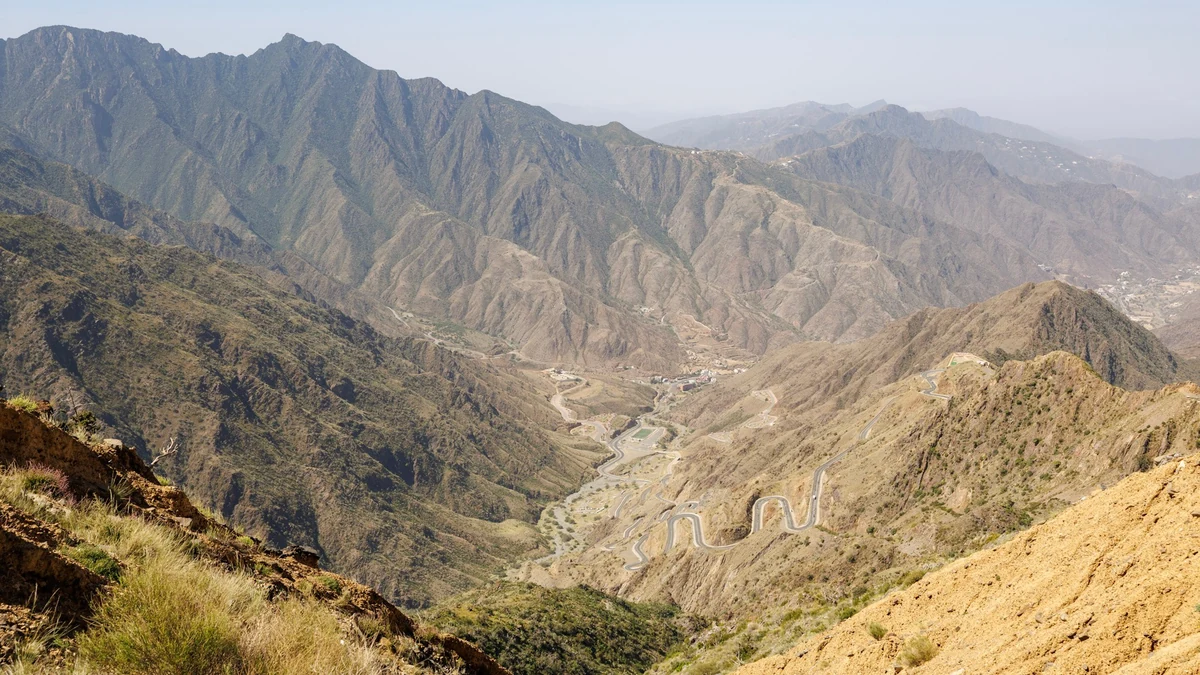
A mountain view at 1/250 second
Camera & settings
- Camera
- Canon EOS R6 Mark II
- Lens
- RF15-35mm F2.8 L IS USM
- Focal length
- 35 mm
- Aperture
- f/8
- Shutter speed
- 1/250 s
- ISO
- 100
“The folds of the mountains” records 35 mm, f/8, 1/250 second and ISO 100 on a Canon EOS R6 Mark II. The foreground and distant slopes give you several areas to inspect for detail.
At a given focal length and focus distance, a smaller aperture generally increases depth of field while admitting less light. The recorded f/8 is one part of this photograph; it is not a guarantee that everything in another landscape will be sharp.
Further reading: Canon — Aperture and the exposure triangle
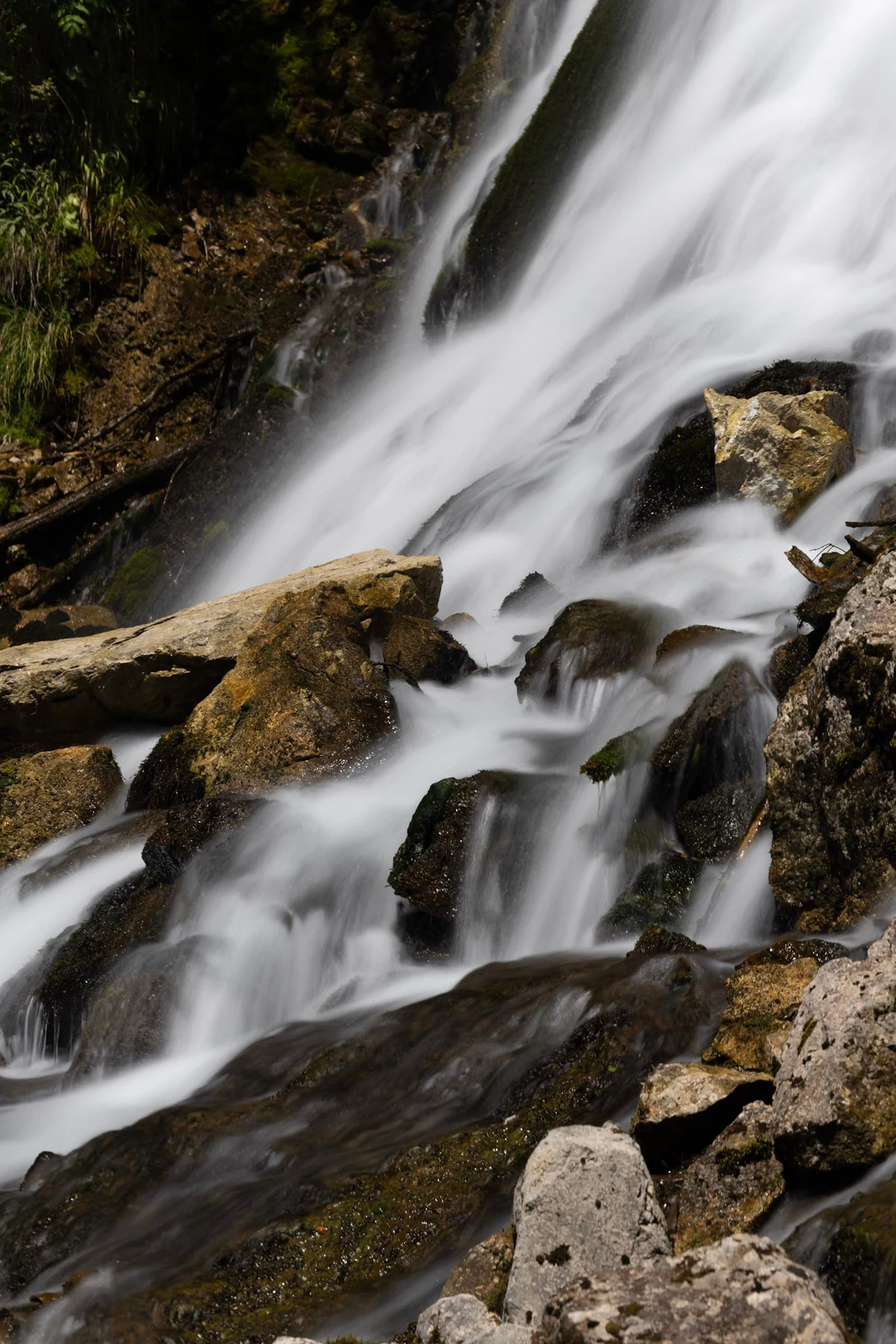
Flowing water at one second
Camera & settings
- Camera
- Canon EOS R6 Mark II
- Lens
- RF70-200mm F2.8 L IS USM
- Focal length
- 168 mm
- Aperture
- f/11
- Shutter speed
- 1 s
- ISO
- 250
“Water over stone” records 168 mm, f/11, one second and ISO 250. Compare the moving water with the edges of the rocks around it.
A longer exposure allows subject movement to register across more time. Camera movement can also soften a photograph, so a stable support is useful when experimenting. The file does not establish whether a tripod or a filter was used for this image.
Further reading: Canon — Aperture and the exposure triangle
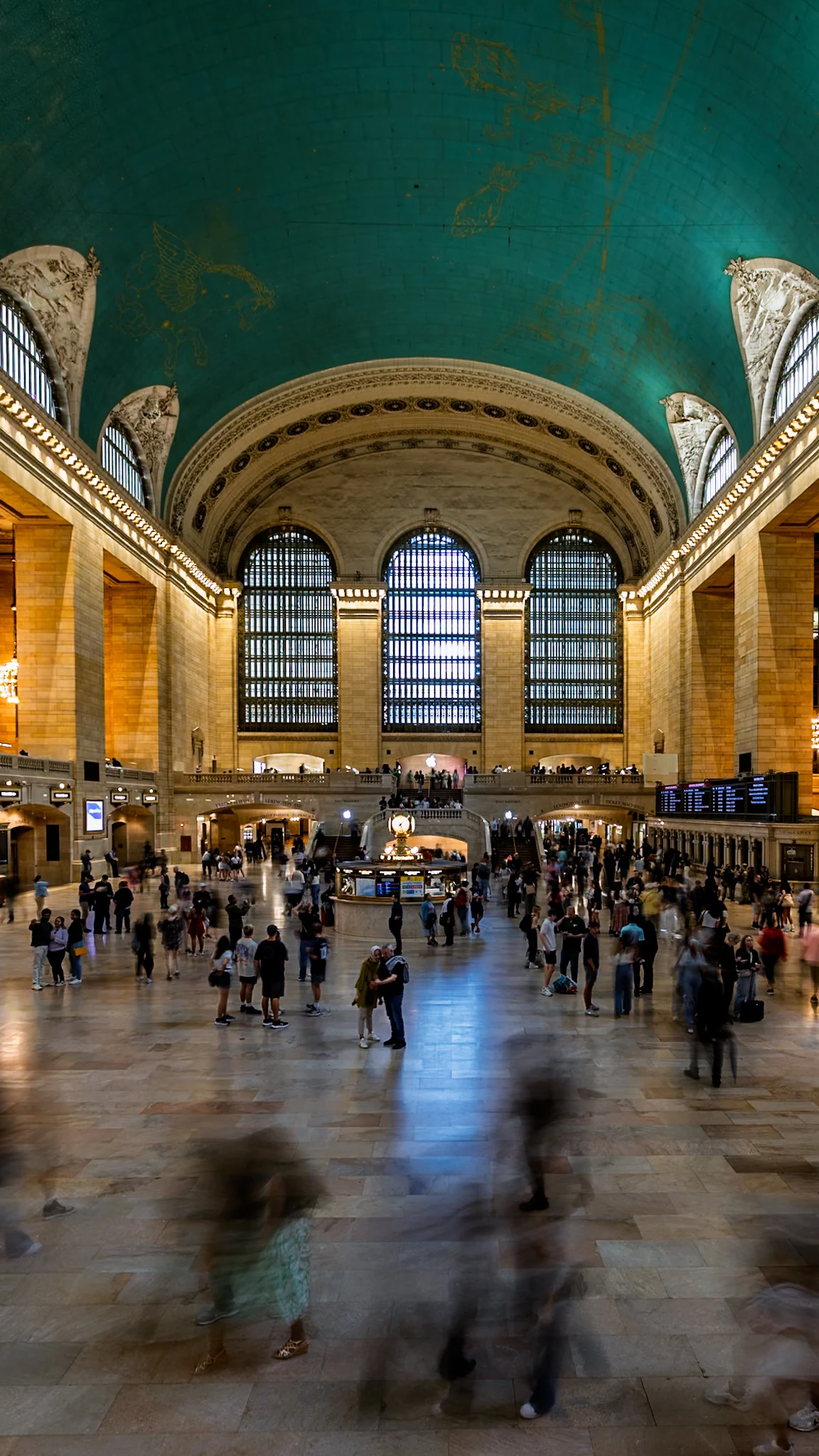
Station movement at one second
Camera & settings
- Camera
- Canon EOS R6 Mark II
- Lens
- RF15-35mm F2.8 L IS USM
- Focal length
- 15 mm
- Aperture
- f/8
- Shutter speed
- 1 s
- ISO
- 100
“Between arrivals” also records one second, this time at 15 mm, f/8 and ISO 100. People moving through the concourse appear differently from the architecture around them.
The shared exposure time connects the station and waterfall photographs, but it does not make their settings interchangeable. The scenes, focal lengths, light and subjects differ. Compare the visible result before deciding what you would try yourself.
What the numbers cannot tell us
Recorded settings do not establish the photographer’s intention, the full lighting conditions, the use of a tripod or the editing history. Where a supplied file has no settings, the photograph page says so.
Use these examples to ask a clearer question on your next shoot: do you want movement to remain visible, more of the scene to appear sharp, or a different framing? Then change one setting deliberately and review the result.
Editorial notes researched and prepared with AI assistance.
← Back to the blog